Priority-level SLA reporting
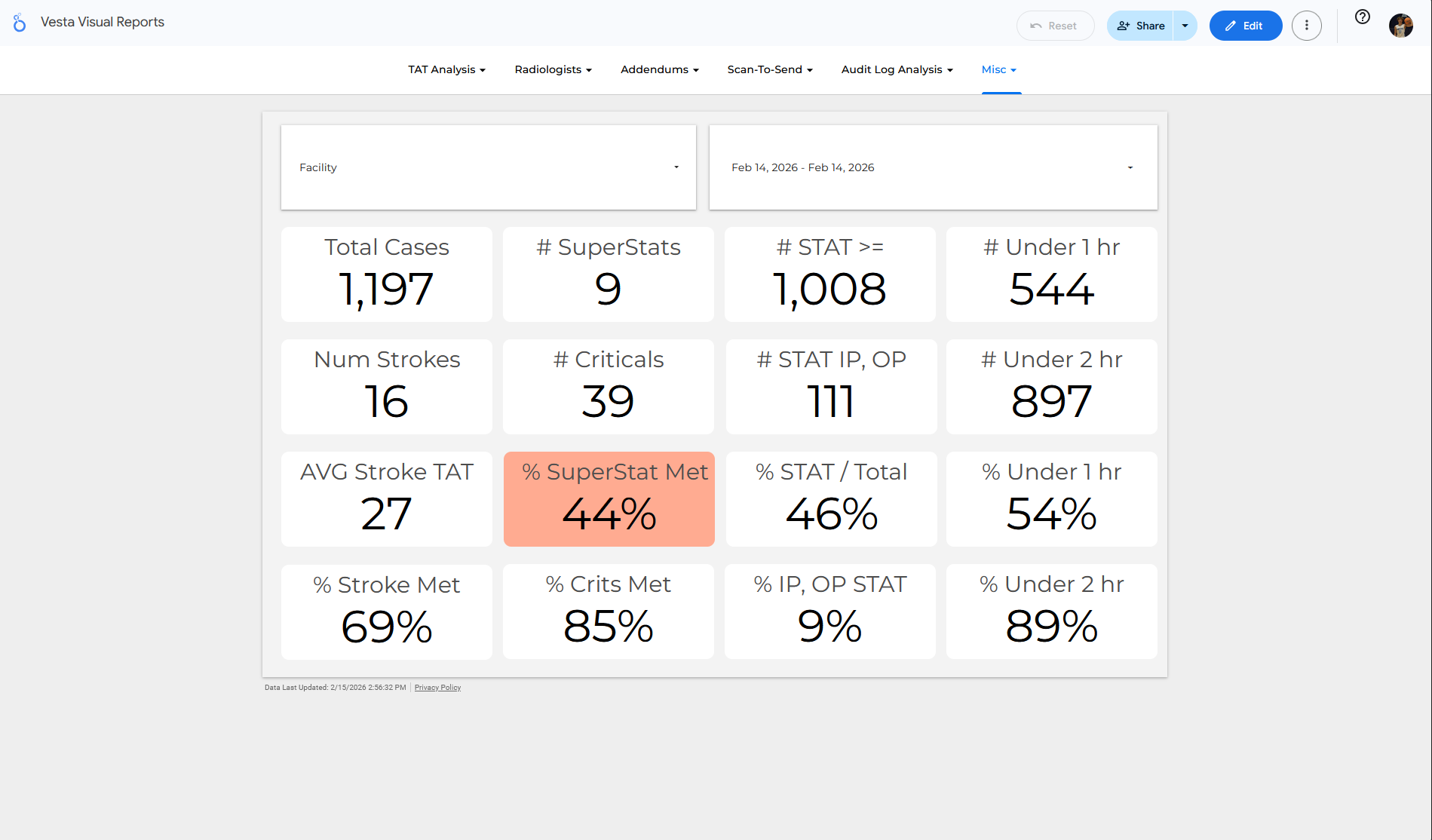
Daily visibility into urgent case mix, under-one-hour performance, and missed-target risk.
For SMB and mid-market operations leaders
I build warehouse-centered KPI pipelines, queue-health diagnostics, and forecasting views that show backlog, staffing risk, and SLA drift before the week goes sideways.
Operational proof
These screenshots come from live operations work and are shown here because they help buyers understand the level of rigor behind the engagement.
Daily visibility into urgent case mix, under-one-hour performance, and missed-target risk.
Hour-level views that separate inherited backlog from real demand shocks.
Operational tables and monitoring views that surface silent queue drag before it cascades.
Who this is for
If work arrives all day, gets triaged, and leadership needs reliable numbers to staff and intervene, this model fits.
Engagements
The audit fee is credited toward the build when we continue.
Step 1
Quick qualification call to confirm whether the problem is operational analytics, workflow design, or something else.
No cost
Step 2
KPI inventory, source map, trust gaps, edge-case definitions, and a fixed quote for the build.
Fixed fee from $2,500
Step 3
Automated reporting pipeline, monitored refreshes, dashboards, and ownership docs your team can run.
Most builds start at $10,000
Forecasting and capacity modeling work is scoped after the audit and typically starts at $15,000 when it is layered on top of the reporting foundation.
Founder-led delivery
Operations teams do not need more reporting clutter. They need stable definitions, monitored refreshes, and a single source of truth that holds up in executive conversations.
Case studies
Problem: turnaround reporting was slow, inconsistent, and dependent on fragile BI-only access.
Build: raw events into standardized BigQuery tables, curated operational slices, and leadership-ready dashboards.
Result: daily KPI visibility with consistent definitions and less manual reporting overhead.
Problem: a multi-hour SLA failure was blamed on “bursty demand.”
Build: arrival events linked to staffing context with hour-level diagnostics for queue health, volatility, and net velocity.
Result: recurring failure windows improved without adding staffing cost by shifting coverage before queue collapse.
Start the conversation
I’ll reply with whether this is a fit, what the likely workstream is, and the fastest next step.
Choose a time that works, and I’ll send a confirmation plus calendar invite.